Nogle nyttige ting til dig
Vi har udvalgt nogle interessante ting, der måske kan interessere dig
الباركود مقابل رمز الاستجابة السريعة: ما الفرق؟
لإنشاء رمز الاستجابة السريعة (QR) للرابط أو الفيديو أو الصورة، انقر على الزر أدناه.


- ما هو الباركود؟
- ما هو رمز QR؟
- الباركود مقابل رمز الاستجابة السريعة: الاختلافات الرئيسية
- أنواع الرموز الشريطية
- كيفية اختيار تنسيق الباركود المناسب
- متى يجب عليك استخدام رمز الاستجابة السريعة (QR Code)؟
- هل يمكن لرموز الاستجابة السريعة (QR) أن تحل محل الرموز الشريطية؟
- الباركود ورمز الاستجابة السريعة معًا
- الاختيار بين مولد الباركود ومولد رمز الاستجابة السريعة
-
الأسئلة الشائعة
- ما الفرق بين الرمز الشريطي ورمز الاستجابة السريعة (QR code)؟
- هل يمكن لرموز الاستجابة السريعة (QR) أن تحل محل الرموز الشريطية التقليدية؟
- ما هو تنسيق الباركود الذي يجب أن أستخدمه؟
- هل يمكن للهواتف الذكية مسح الرموز الشريطية؟
- لماذا تحتوي المنتجات على كل من الرمز الشريطي ورمز الاستجابة السريعة (QR code)؟
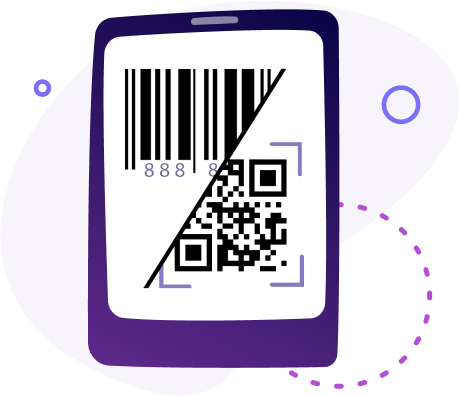
تُعدّ الرموز الشريطية ورموز الاستجابة السريعة من أكثر التقنيات استخدامًا لتحديد المنتجات وتبادل المعلومات. ورغم تشابههما ظاهريًا، إلا أنهما يخدمان أغراضًا مختلفة. تُستخدم الرموز الشريطية التقليدية بشكل أساسي لتحديد المنتجات في قطاعات البيع بالتجزئة والخدمات اللوجستية والرعاية الصحية وإدارة المخزون، بينما تربط رموز الاستجابة السريعة المستخدمين بمحتوى رقمي مثل مواقع الويب وصفحات المنتجات والكتيبات وأنظمة الدفع ومعلومات الاتصال.
مع استمرار الشركات في دمج المنتجات المادية مع التجارب الرقمية، تزداد أهمية فهم الفرق بين الرموز الشريطية ورموز الاستجابة السريعة (QR). يعتمد اختيار التقنية المناسبة على أهدافك، سواء كنت بحاجة إلى تحديد سريع للمنتجات عند الدفع أو ترغب في تزويد العملاء بمعلومات تفصيلية عن المنتجات من خلال مسح ضوئي عبر الهاتف الذكي.
في هذا الدليل، ستتعرف على كيفية عمل الرموز الشريطية ورموز الاستجابة السريعة، والاختلافات الرئيسية بينهما، وأكثر تنسيقات الرموز الشريطية شيوعًا، وكيفية اختيار الحل المناسب لمشاريعك التجارية أو الشخصية.
لإنشاء رمز الاستجابة السريعة (QR code) لرابط أو فيديو أو صورة - انقر على الزر أدناه.
ما هو الباركود؟
الرمز الشريطي هو رمز قابل للقراءة آلياً يمثل المعلومات باستخدام نمط من الخطوط أو المسافات أو الرموز ثنائية الأبعاد. يسمح هذا الرمز بتحديد المنتجات والعبوات والأصول بسرعة ودقة بواسطة الماسحات الضوئية، مما يجعله أحد أهم التقنيات في تجارة التجزئة الحديثة وإدارة سلسلة التوريد.
تُشفّر الرموز الشريطية أحادية الأبعاد التقليدية البيانات في سلسلة من الخطوط العمودية ذات عروض ومسافات متفاوتة. وعادةً ما تخزن مُعرّف المنتج، مثل رقم GTIN أو UPC أو ISBN، والذي يُطابق بعد ذلك مع المعلومات المخزنة في قاعدة بيانات. وهذا يُمكّن أجهزة نقاط البيع وأنظمة المستودعات وبرامج إدارة المخزون من استرجاع تفاصيل المنتج فورًا دون الحاجة إلى إدخال البيانات يدويًا.
إلى جانب الرموز الشريطية الخطية، توجد أيضًا تنسيقات الرموز الشريطية ثنائية الأبعاد ، مثل Data Matrix وPDF417، والتي يمكنها تخزين معلومات أكثر بكثير في مساحة صغيرة. وعلى عكس رموز QR، تُصمم هذه التنسيقات عادةً للتطبيقات الصناعية والرعاية الصحية والتصنيعية واللوجستية، بدلاً من تطبيقات تفاعل العملاء.
تُستخدم الرموز الشريطية على نطاق واسع لأنها توفر طريقة سريعة وموثوقة وموحدة لتحديد المنتجات في مختلف الصناعات. واليوم، تدعم هذه الرموز كل شيء بدءًا من نقاط البيع في المتاجر الكبرى وعمليات المستودعات وصولًا إلى تتبع الطرود وتحديد الأجهزة الطبية.

ما هو رمز QR؟
رمز الاستجابة السريعة (QR Code) هو رمز شريطي ثنائي الأبعاد يخزن المعلومات في مصفوفة من المربعات السوداء والبيضاء. على عكس الرموز الشريطية الخطية التقليدية، التي تحتوي في الغالب على أرقام تعريف المنتجات، يمكن لرموز الاستجابة السريعة استيعاب كمية أكبر بكثير من البيانات، ويمكن مسحها ضوئيًا من أي زاوية تقريبًا باستخدام الهواتف الذكية أو الأجهزة اللوحية أو الماسحات الضوئية المخصصة.
طُوّرت رموز الاستجابة السريعة (QR) للتغلب على قيود التخزين التي تعاني منها الرموز الشريطية التقليدية. وبفضل بنيتها ثنائية الأبعاد، يمكنها ترميز أنواع مختلفة من المعلومات مباشرةً داخل الرمز أو ربط المستخدمين بالمحتوى الرقمي. كما تتضمن رموز الاستجابة السريعة الحديثة تقنية تصحيح الأخطاء، مما يسمح لها بالبقاء قابلة للقراءة حتى في حال تلف جزء منها أو تشويشه.
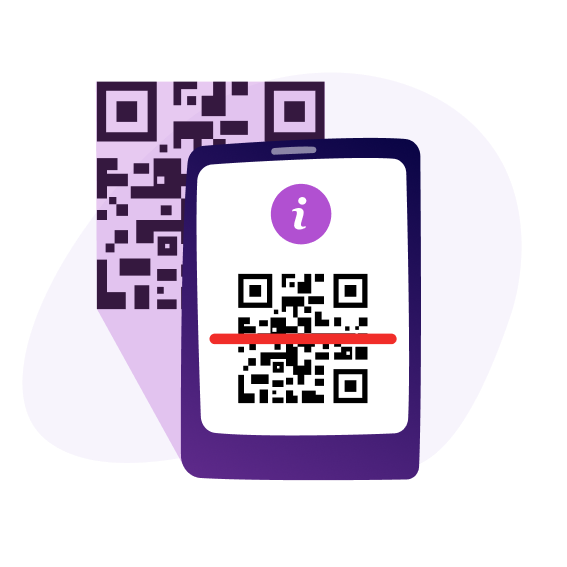
من أهم مزايا رموز الاستجابة السريعة مرونتها. فبحسب الغرض، يمكن أن يحتوي رمز الاستجابة السريعة على معلومات أو يتيح الوصول إلى:
- عناوين مواقع الويب وصفحات الهبوط؛
- معلومات المنتج؛
- بيانات الاتصال (بطاقات vCard)؛
- بيانات اعتماد شبكة Wi-Fi ؛
- مستندات PDF والعروض التقديمية بصيغة؛
- مقاطع الفيديو ومحتوى الوسائط المتعددة؛
- معلومات الدفع؛
- أحداث التقويم؛
- ملفات تعريف وسائل التواصل الاجتماعي وتطبيقات المراسلة.
على عكس معظم الرموز الشريطية التقليدية، تتميز رموز الاستجابة السريعة (QR) بخاصية التفاعل الديناميكي. وهذا يعني إمكانية تحديث الوجهة أو المحتوى المرتبط بعد طباعة الرمز، مما يجعلها حلاً عملياً للشركات التي تحتاج إلى تحديث المعلومات باستمرار دون الحاجة إلى استبدال مواد التغليف أو التسويق.
بفضل سعتها العالية للبيانات، وسرعة مسحها، وتوافقها مع الأجهزة المحمولة الحديثة، أصبحت رموز الاستجابة السريعة (QR) من أكثر الأدوات تنوعًا لربط الأشياء المادية بالمعلومات الرقمية. واليوم، تُكمّل هذه الرموز الرموز الشريطية التقليدية، إذ تُتيح للعملاء الوصول الفوري إلى المحتوى الإلكتروني، بينما تُمكّن الشركات من إدارة المعلومات وتحديثها بكفاءة.
الباركود مقابل رمز الاستجابة السريعة: الاختلافات الرئيسية
على الرغم من أن الرموز الشريطية ورموز الاستجابة السريعة (QR) تخزن معلومات قابلة للقراءة آليًا، إلا أنها صُممت لأغراض مختلفة. تركز الرموز الشريطية التقليدية على تحديد المنتجات وكفاءة العمليات، بينما صُممت رموز الاستجابة السريعة لربط المستخدمين بالمحتوى الرقمي والتجارب التفاعلية. إن فهم الاختلافات الرئيسية بينهما يُسهّل اختيار التقنية المناسبة لاحتياجاتك الخاصة.
سعة البيانات
أحد أكبر الفروق بين الرموز الشريطية ورموز الاستجابة السريعة هو كمية المعلومات التي يمكن تخزينها.
صُممت الرموز الشريطية أحادية البعد التقليدية لترميز كميات صغيرة نسبيًا من البيانات، وعادةً ما تكون مُعرّفًا للمنتج مثل رقم GTIN أو UPC أو EAN أو ISBN. لا يحتوي الرمز الشريطي نفسه على معلومات تفصيلية عن المنتج، بل يشير إلى سجل مُخزّن في قاعدة بيانات.
أما رموز الاستجابة السريعة (QR codes)، فتستخدم بنية ثنائية الأبعاد تسمح لها بتخزين معلومات أكثر بكثير. إذ يمكنها أن تحتوي على نصوص، URL ، وبيانات اتصال، ومعلومات دفع، وبيانات اعتماد شبكة Wi-Fi، وأنواع أخرى من المحتوى الرقمي مباشرةً داخل الرمز، أو أن تربط المستخدمين بموارد عبر الإنترنت.
ونتيجة لذلك، تعتبر الرموز الشريطية مثالية للتعريف، بينما تعتبر رموز الاستجابة السريعة (QR) أكثر ملاءمة لتبادل المعلومات.
طرق المسح الضوئي
تختلف الرموز الشريطية ورموز الاستجابة السريعة أيضًا في طريقة مسحها ضوئيًا.
تُقرأ معظم الرموز الشريطية التقليدية باستخدام ماسحات ضوئية ليزرية أو تصويرية تكشف نمط الخطوط المتوازية. ويتطلب المسح الضوئي الدقيق عادةً محاذاة صحيحة وخط رؤية واضح بين الماسح الضوئي والرمز الشريطي.
تتميز رموز الاستجابة السريعة (QR) بمرونة أكبر بكثير. إذ يمكن مسحها ضوئيًا من زوايا متعددة باستخدام كاميرات الهواتف الذكية أو الماسحات الضوئية ثنائية الأبعاد المخصصة. كما تتيح تقنية تصحيح الأخطاء المدمجة فيها إمكانية قراءتها حتى في حال تلف جزء من الرمز أو اتساخه أو تغطيته جزئيًا.
هذه المرونة تجعل رموز QR ملائمة بشكل خاص للتطبيقات التي تتعامل مع العملاء حيث يكون المسح السريع والسهل أمراً مهماً.
توافق الجهاز
تُعد الأجهزة المستخدمة لقراءة كل نوع من أنواع الرموز اختلافًا مهمًا آخر.
تُستخدم الماسحات الضوئية في نقاط البيع بالتجزئة، ومحطات المستودعات، والأجهزة المحمولة الصناعية، ومعدات الخدمات اللوجستية لقراءة الرموز الشريطية. ورغم أن العديد من الهواتف الذكية قادرة على قراءة بعض أنواع الرموز الشريطية، إلا أن الماسحات الضوئية المتخصصة لا تزال هي المعيار في بيئات العمل الاحترافية لما توفره من سرعة ودقة أعلى.
صُممت رموز الاستجابة السريعة (QR) مع مراعاة الأجهزة المحمولة. تستطيع معظم الهواتف الذكية الحديثة مسح رموز الاستجابة السريعة مباشرةً عبر تطبيقات الكاميرا المدمجة دون الحاجة إلى برامج إضافية. وهذا يجعل رموز الاستجابة السريعة سهلة الاستخدام للمستهلكين ومثالية للتسويق التسويق العملاء والخدمات الرقمية.
الأمن وتصحيح الأخطاء
كلا التقنيتين موثوقتان، لكنهما تعالجان الأمن بشكل مختلف.
تحتوي الرموز الشريطية التقليدية على معلومات محدودة، وتُستخدم عادةً ضمن أنظمة الأعمال الخاضعة للرقابة. ولأنها تشير عادةً إلى سجلات مخزنة في قواعد بيانات آمنة، فإنها لا تشكل مخاطر أمنية تُذكر بمفردها.
غالبًا ما تربط رموز الاستجابة السريعة (QR) المستخدمين بمحتوى الإنترنت، مما يعني أنها تتطلب مزيدًا من الانتباه عند مسحها. قد يُعيد رمز الاستجابة السريعة الخبيث توجيه المستخدمين إلى موقع ويب احتيالي إذا لم يكن مصدره موثوقًا. في الوقت نفسه، تتضمن رموز الاستجابة السريعة تقنية متقدمة لتصحيح الأخطاء، مما يسمح لها بالبقاء قابلة للقراءة حتى لو كان جزء من الرمز تالفًا أو غير واضح - وهي ميزة لا توفرها معظم الرموز الشريطية الخطية التقليدية.
عملياً، تُكمّل الرموز الشريطية ورموز الاستجابة السريعة بعضها بعضاً بدلاً من أن تحل محل بعضها. لا تزال الرموز الشريطية هي المعيار لتحديد المنتجات وإدارة المخزون وعمليات البيع بالتجزئة، بينما تُعد رموز الاستجابة السريعة الحل الأمثل لربط المنتجات المادية بالمحتوى الرقمي وتجارب العملاء والخدمات عبر الإنترنت.

أنواع الرموز الشريطية
ليست جميع الرموز الشريطية متماثلة. فعلى مر السنين، تم تطوير صيغ مختلفة للرموز الشريطية لتلبية احتياجات قطاعات ومنتجات وعمليات تجارية محددة. بعض هذه الصيغ مصمم خصيصًا لنقاط البيع بالتجزئة، بينما تم تحسين صيغ أخرى لتناسب مجالات الخدمات اللوجستية والتصنيع والرعاية الصحية والنشر.
يعتمد اختيار نوع الباركود المناسب على المعلومات التي تحتاج إلى ترميزها، والمساحة المتاحة على المنتج أو العبوة، ومعايير الصناعة التي يجب اتباعها. يوضح الجدول أدناه بعضًا من أكثر تنسيقات الباركود استخدامًا وتطبيقاتها النموذجية.
|
نوع رمز BR |
أحادي البعد / ثنائي البعد |
الاستخدام الشائع |
البيانات النموذجية |
|
EAN-13 |
1D |
منتجات التجزئة العالمية |
معرّف المنتج المكون من 13 رقمًا |
|
EAN-8 |
1D |
عبوات بيع بالتجزئة صغيرة |
معرّف المنتج المكون من 8 أرقام |
|
UPC-A |
1D |
تجارة التجزئة في الولايات المتحدة وكندا |
معرّف المنتج المكون من 12 رقمًا |
|
الرمز 128 |
1D |
التخزين والخدمات اللوجستية |
نص وأرقام ASCII |
|
الرمز 39 |
1D |
التصنيع والمخزون |
الحروف والأرقام والرموز |
|
ITF-14 |
1D |
كراتين الشحن |
GTIN-14 |
|
ISBN-13 |
1D |
نشر الكتب |
معرّف ISBN |
|
مصفوفة البيانات |
ثنائي الأبعاد |
الرعاية الصحية والإلكترونيات |
بيانات المنتج عالية الكثافة |
صُمم كل تنسيق من تنسيقات الباركود لغرض محدد، ولذلك يُعد اختيار التنسيق المناسب أمرًا بالغ الأهمية لضمان التوافق مع الماسحات الضوئية والبرامج ومتطلبات الصناعة. وبينما يهيمن تنسيقا EAN-13 وUPC-A على بيئات البيع بالتجزئة، تُستخدم تنسيقات مثل Code 128 وITF-14 على نطاق واسع في مجال الخدمات اللوجستية وسلاسل التوريد. في الوقت نفسه، توفر تقنية Data Matrix حلاً ثنائي الأبعاد مُدمجًا للصناعات التي تتطلب كثافة بيانات عالية في مساحة محدودة، مثل الرعاية الصحية وتصنيع الإلكترونيات.
كيفية اختيار تنسيق الباركود المناسب
يعتمد اختيار تنسيق الباركود المناسب على كيفية ومكان استخدامه. وقد تبنت مختلف الصناعات معايير محددة لضمان التوافق مع الماسحات الضوئية والبرامج وأنظمة سلسلة التوريد. ويساهم اختيار التنسيق الصحيح في تحسين الكفاءة، وتقليل أخطاء المسح الضوئي، والمساعدة في تلبية متطلبات الصناعة.
منتجات التجزئة
تستخدم منتجات البيع بالتجزئة عادةً تنسيقات الباركود القياسية التي تسمح بتحديد العناصر بسرعة عند نقطة البيع.
- يُعدّ EAN-13 أكثر تنسيقات الباركود شيوعًا المستخدمة لمنتجات البيع بالتجزئة في جميع أنحاء العالم.
- يُعدّ UPC-A هو التنسيق القياسي المستخدم بشكل أساسي في الولايات المتحدة وكندا.
كلا التنسيقين يقومان بتشفير معرف المنتج الذي يرتبط بمعلومات المنتج المخزنة في قواعد بيانات البيع بالتجزئة، مما يجعلهما ضروريين لمحلات السوبر ماركت والمتاجر وعمليات تلبية التجارة الإلكترونية .
الخدمات اللوجستية والتخزين
تتطلب العمليات اللوجستية تنسيقات الباركود التي يمكنها ترميز المزيد من المعلومات ودعم تتبع الطرود بكفاءة عبر سلسلة التوريد.
- يستخدم الكود 128 على نطاق واسع لأنه يدعم مجموعة أحرف ASCII الكاملة ويمكنه ترميز الأرقام والحروف والأحرف الخاصة.
- تم تصميم ITF-14 خصيصًا لشحن الكراتين والتغليف اللوجستي، باستخدام معرفات GTIN-14 لتبسيط عمليات التخزين والتوزيع.
توجد هذه التنسيقات عادةً على ملصقات الشحن، وجرد المستودعات، ووثائق النقل.
تصنيع
غالباً ما تتطلب بيئات التصنيع تنسيقات باركود متينة قادرة على تحديد المكونات والأدوات وأصول الإنتاج طوال عملية التصنيع.
لا يزال رمز 39 أحد أكثر تنسيقات الرموز الشريطية استخدامًا في التطبيقات الصناعية والتصنيعية. وهو يدعم الأحرف والأرقام، مما يجعله مناسبًا لإدارة المخزون وتتبع الأصول ومراقبة الإنتاج.
النشر
تستخدم الكتب والمواد المنشورة الأخرى معيارًا مخصصًا للرموز الشريطية.
يُعدّ نظام ISBN-13 الصيغة المعترف بها دوليًا لتحديد الكتب. ويعتمد الناشرون والمكتبات ومتاجر الكتب وتجار التجزئة عبر الإنترنت على رموز ISBN الشريطية لإدارة المخزون وتبسيط المبيعات وضمان تحديد المنتجات بدقة في الأسواق العالمية.
الرعاية الصحية والمكونات الصغيرة
تتطلب بعض الصناعات رمزًا شريطيًا يخزن معلومات أكثر مع مراعاة المساحة المحدودة للغاية.
يُعدّ رمز Data Matrix رمزًا شريطيًا ثنائي الأبعاد صغير الحجم، ويُستخدم على نطاق واسع في مجالات الرعاية الصحية، وتصنيع الأجهزة الطبية، والصناعات الدوائية، والإلكترونيات. بفضل كثافة بياناته العالية وميزة تصحيح الأخطاء المدمجة، يُعدّ مثاليًا لوضع العلامات على المنتجات الصغيرة حيث يصعب استخدام الرموز الشريطية الخطية التقليدية.
يضمن اختيار تنسيق الباركود المناسب مسحًا موثوقًا، ويُحسّن كفاءة العمليات، ويساعد الشركات على الامتثال لمعايير الصناعة. ومن خلال مطابقة نوع الباركود مع التطبيق المقصود، تستطيع المؤسسات تبسيط سير العمل مع الحفاظ على التوافق عبر سلسلة التوريد بأكملها.
متى يجب عليك استخدام رمز الاستجابة السريعة (QR Code)؟
على عكس الرموز الشريطية التقليدية، صُممت رموز الاستجابة السريعة (QR) لربط المستخدمين بالمحتوى الرقمي بدلاً من تحديد المنتجات عند نقاط البيع. فبينما يخزن الرمز الشريطي عادةً مُعرّف المنتج الذي تعالجه أنظمة البيع بالتجزئة، يمنح رمز الاستجابة السريعة المستخدمين وصولاً فورياً إلى المعلومات والخدمات والتجارب التفاعلية عبر الإنترنت بمجرد مسحه ضوئياً باستخدام الهاتف الذكي.
بالنسبة للعديد من الشركات، تعمل الرموز الشريطية ورموز الاستجابة السريعة معًا. يدعم الرمز الشريطي إدارة المخزون وعمليات الدفع، بينما يوفر رمز الاستجابة السريعة للعملاء معلومات وخدمات رقمية إضافية تتجاوز المنتج نفسه.

الحملات التسويقية
أصبحت رموز الاستجابة السريعة (QR) أداة تسويقية أساسية لأنها تُنشئ جسراً سلساً بين التجارب الواقعية والرقمية. فبمسحة واحدة، يمكن توجيه العملاء إلى صفحات هبوط ترويجية، أو مقاطع فيديو ، أو إطلاق منتجات جديدة، أو صفحات على مواقع التواصل الاجتماعي، أو عروض لفترة محدودة.
على عكس عناوين المواقع المطبوعة، فإن رموز الاستجابة السريعة (QR codes) تلغي الحاجة إلى الكتابة اليدوية، مما يجعل الحملات أكثر ملاءمة مع السماح للشركات بتتبع التفاعل وقياس أداء الحملة.
معلومات المنتج
توفر رموز الاستجابة السريعة للعملاء إمكانية الوصول الفوري إلى معلومات مفصلة عن المنتج والتي لا يمكن وضعها على العبوة المادية.
تستخدم الشركات عادةً رموز الاستجابة السريعة (QR) للمشاركة:
- وصف المنتج؛
- كتيبات المستخدم؛
- أدلة التثبيت؛
- معلومات الضمان؛
- الشهادات؛
- الأسئلة الشائعة؛
- موارد دعم العملاء.
يساعد هذا النهج في تقليل فوضى التغليف مع منح العملاء إمكانية الوصول إلى المحتوى الرقمي المحدث كلما احتاجوا إليه.
جوازات المنتجات الرقمية
مع تزايد أهمية الاستدامة وشفافية المنتجات، تلعب رموز الاستجابة السريعة (QR) دورًا رئيسيًا في دعم مبادرات جواز سفر المنتج الرقمي.
يمكن لرمز الاستجابة السريعة (QR code) أن يوفر الوصول إلى معلومات مثل:
- منشأ المنتج؛
- المواد والمكونات؛
- معلومات عن الاستدامة؛
- تعليمات الإصلاح وإعادة التدوير؛
- وثائق الامتثال؛
- معلومات دورة الحياة.
بفضل إمكانية ربط رموز الاستجابة السريعة بمحتوى يتم تحديثه ديناميكيًا، يمكن للشركات الحفاظ على معلومات المنتج محدثة دون تغيير العبوات المطبوعة.
المدفوعات
لقد أحدثت رموز الاستجابة السريعة (QR) ثورة في المدفوعات الرقمية من خلال جعل المعاملات أسرع وأكثر ملاءمة.
يمكن للعملاء ببساطة مسح رمز الاستجابة السريعة (QR) لإتمام عمليات الشراء باستخدام تطبيقات الخدمات المصرفية عبر الهاتف المحمول أو المحافظ الرقمية، دون الحاجة إلى إدخال أرقام الحسابات أو تفاصيل الدفع يدويًا. تُستخدم هذه التقنية على نطاق واسع في متاجر البيع بالتجزئة والمطاعم ووسائل النقل العام والخدمات الإلكترونية والمدفوعات بين الأفراد حول العالم.
تفاعل العملاء
تساعد رموز الاستجابة السريعة (QR) الشركات أيضاً على بناء علاقات أقوى مع العملاء بعد عملية الشراء.
يمكن للعملاء، من خلال مسح رمز الاستجابة السريعة (QR code)، القيام بما يلي:
- تسجيل منتج؛
- اترك تعليقاتك؛
- اتصل بدعم العملاء؛
- الانضمام إلى برامج الولاء؛
- الوصول إلى محتوى حصري؛
- المشاركة في الاستطلاعات؛
- تلقي تحديثات البرامج أو البرامج الثابتة.
تُنشئ هذه التفاعلات تواصلاً مستمراً بين العلامات التجارية والعملاء لفترة طويلة بعد عملية البيع الأولية.
على الرغم من أهمية كلتا التقنيتين، إلا أنهما تحلان تحديات تجارية مختلفة. لا تزال الرموز الشريطية هي المعيار لتحديد المنتجات، ومراقبة المخزون، وعمليات الدفع في متاجر التجزئة، بينما صُممت رموز الاستجابة السريعة (QR) لربط المنتجات المادية بالمحتوى الرقمي، مما يجعل المعلومات والخدمات وتجارب العملاء متاحة على الفور من خلال مسح ضوئي عبر الهاتف الذكي.
هل يمكن لرموز الاستجابة السريعة (QR) أن تحل محل الرموز الشريطية؟
لا يمكن لرموز الاستجابة السريعة (QR) أن تحل محل الرموز الشريطية بشكل كامل لأنها تعالج مشاكل مختلفة. فالرموز الشريطية التقليدية مصممة لتحديد المنتجات، وعمليات الدفع، وإدارة المخزون، والخدمات اللوجستية، بينما تُستخدم رموز الاستجابة السريعة لربط المنتجات المادية بالمعلومات الرقمية وتجارب العملاء.
في كثير من الحالات، تُستخدم التقنيتان معًا على نفس العبوة. يسمح الرمز الشريطي لتجار التجزئة والمستودعات بمعالجة المنتجات بكفاءة، بينما يتيح رمز الاستجابة السريعة للعملاء الوصول إلى معلومات إضافية مثل الكتيبات والشهادات وتفاصيل المنتج أو العروض الترويجية.
يتجه مستقبل تحديد المنتجات نحو دمج هذه التقنيات. وتشجع مبادرات مثل GS1 Digital Link وSunrise 2027 على استخدام الرموز ثنائية الأبعاد التي تربط المنتجات بالبيانات الإلكترونية، مع دعم عمليات البيع بالتجزئة الحديثة. ومع ذلك، ستظل الرموز الشريطية التقليدية مهمة للعديد من المهام التشغيلية.
الباركود ورمز الاستجابة السريعة معًا
غالباً ما تتضمن عبوات المنتجات الحديثة كلاً من الرمز الشريطي ورمز الاستجابة السريعة (QR code) لأنهما يخدمان أغراضاً مختلفة.
يُستخدم الرمز الشريطي في العمليات التجارية مثل عمليات الدفع، وإدارة المخزون، وعمليات المستودعات، والخدمات اللوجستية. فهو يساعد تجار التجزئة وسلاسل التوريد على تحديد المنتجات بسرعة وإدارتها بكفاءة.
تم تصميم رمز الاستجابة السريعة (QR Code) لتسهيل تفاعل العملاء. من خلال مسحه ضوئيًا باستخدام الهاتف الذكي، يمكن للعملاء الوصول إلى معلومات رقمية إضافية، بما في ذلك:
- تعليمات المنتج وكتيبات التعليمات؛
- تفاصيل الضمان؛
- الشهادات والوثائق؛
- معلومات المنتج ومواصفاته؛
- العروض الترويجية والعروض الخاصة؛
- مقاطع فيديو ودروس تعليمية.
يُمكّن استخدام كلا الرمزين الشركات من الحفاظ على أنظمة تعريف منتجات موثوقة، مع توفير طريقة أسرع للعملاء للوصول إلى المحتوى الرقمي المفيد. وقد أصبح هذا المزيج نهجًا شائعًا في مجال التغليف الذكي الحديث.
الاختيار بين مولد الباركود ومولد رمز الاستجابة السريعة
تعتمد الأداة المناسبة على الغرض من الكود الذي تحتاج إلى إنشائه.
إذا كنت بحاجة إلى إنشاء رمز شريطي لتحديد المنتجات، فإن مولد الرموز الشريطية هو الحل الأمثل. فهو يُمكّن الشركات من إنشاء رموز قابلة للقراءة آليًا بسرعة للمنتجات والتغليف وأنظمة المخزون والعمليات الداخلية. يُمكن أن يكون مولد الرموز الشريطية عبر الإنترنت مفيدًا عندما تحتاج إلى إنشاء رمز شريطي بسرعة دون تثبيت برامج إضافية، بينما يُعد مولد الرموز الشريطية المجاني مناسبًا غالبًا للاختبار أو المشاريع الصغيرة أو الاحتياجات التجارية الأساسية.
بالنسبة للشركات التي تدير كتالوجات منتجات كبيرة، يمكن لبرامج توليد الرموز الشريطية والحلول المجمعة أن تساعد في إنشاء رموز متعددة بكفاءة وتبسيط عمليات إدارة الرموز الشريطية.
إذا كان هدفك هو توفير الوصول إلى المحتوى الرقمي، فإن مولد رموز QR هو الخيار الأمثل. صُممت رموز الاستجابة السريعة لربط المنتجات المادية بالمعلومات المتاحة عبر الإنترنت، مما يسمح للمستخدمين بالوصول إلى مواقع الويب وصفحات المنتجات والوثائق والتعليمات ومعلومات الاتصال وغيرها من الموارد الرقمية بمجرد مسحها بهاتفهم الذكي.
يعتمد الاختيار بين مولد الباركود ومولد رمز الاستجابة السريعة على ما تريد تحقيقه: تحسين تحديد المنتج والكفاءة التشغيلية أو إنشاء اتصال مباشر بين العناصر المادية والتجارب الرقمية.
الرموز الشريطية ورموز الاستجابة السريعة ليست منافسة - إنها تقنيات مصممة لأغراض مختلفة.
لا تزال الرموز الشريطية ضرورية لتحديد المنتجات، وعمليات الدفع، والمخزون، والخدمات اللوجستية، بينما تساعد رموز الاستجابة السريعة في ربط المنتجات المادية بالمحتوى الرقمي وتجارب العملاء.
يعتمد الخيار الأمثل على احتياجات عملك المحددة وكيفية استخدامك للبرنامج. في كثير من الحالات، يوفر الجمع بين التقنيتين الحل الأمثل.
الأسئلة الشائعة
يُستخدم الرمز الشريطي بشكل أساسي لتحديد المنتجات، وإدارة المخزون، وعمليات الدفع، والخدمات اللوجستية. وهو عادةً ما يخزن مُعرّف المنتج المرتبط بمعلومات في قاعدة بيانات. أما رمز الاستجابة السريعة (QR code) فيمكنه تخزين بيانات أكثر، وربط المستخدمين بمحتوى رقمي مثل مواقع الويب، والكتيبات، ومعلومات المنتجات، أو الخدمات الإلكترونية، وذلك من خلال مسح ضوئي باستخدام الهاتف الذكي.