Some useful Things for you
We have selected some interesting things that may be interest for you
رموز الاستجابة السريعة لكبار السن: حل ينقذ الأرواح
لإنشاء رمز الاستجابة السريعة (QR) للرابط أو الفيديو أو الصورة، انقر على الزر أدناه.

- لماذا تُفيد رموز الاستجابة السريعة كبار السن؟
- رموز الاستجابة السريعة مقابل حلول السلامة الأخرى
-
برامج رمز الاستجابة السريعة الواقعية لكبار السن
- تايلاند – سوار رمز الاستجابة السريعة (مؤسسة ميرور، 2018)
- الصين – شارة رمز الاستجابة السريعة على الملابس (2014)
- اليابان – ملصق NailQ (روابط برتقالية، 2015)
- الهند – مشروع Chetna (QR Locket)
- إسبانيا – برنامج QR "No me olvides si me olvido"
- الولايات المتحدة الأمريكية – خدمة التنبيه الطبي + خدمة العثور على الأشياء الآمنة
- ما المعلومات التي يجب وضعها في رمز الاستجابة السريعة (QR) لكبار السن؟
- كيفية مسح رمز الاستجابة السريعة: دليل سريع لكل من يعثر على شخص مسنّ تائه
- مخاوف تتعلق بالخصوصية: ما مقدار المعلومات التي يجب أن يعرضها رمز الاستجابة السريعة (QR Code)؟
- كود صغير ذو تأثير كبير
كل ثلاث ثوانٍ، يُصاب شخص ما في العالم بالخرف. ووفقًا لمنظمة الصحة العالمية، يعيش أكثر من 55 مليون شخص حاليًا مع الخرف على مستوى العالم، ومن المتوقع أن يصل هذا العدد إلى 139 مليونًا بحلول عام 2050. ويُشكّل مرض الزهايمر ما بين 60 و80% من جميع الحالات، حيث يمحو تدريجيًا ذاكرة الشخص وإدراكه للزمان والمكان وقدرته على التواصل.
من أخطر عواقب الخرف التجوال. تشير الدراسات إلى أن ستة من كل عشرة أشخاص مصابين بالخرف سيتجوّلون مرة واحدة على الأقل. عندما ينسى الشخص اسمه، أو عنوان منزله، أو حتى وجوه أقاربه، قد تتحول أي نزهة خارج المنزل إلى حالة طارئة.
هنا تبرز أهمية رموز الاستجابة السريعة (QR) لكبار السن، فهي حل بسيط وميسور التكلفة وفعّال، يُستخدم في مختلف الثقافات وأنظمة الرعاية الصحية. تكمن الفكرة الأساسية في سهولة استخدامها: لا يحتاج الشخص المصاب بالخرف إلى القيام بأي شيء، إذ يكفي أن يقوم شخص آخر يحمل هاتفًا ذكيًا بالباقي. واليوم، تقدم العديد من منظمات رعاية كبار السن برامج مجانية تعتمد على رموز الاستجابة السريعة.
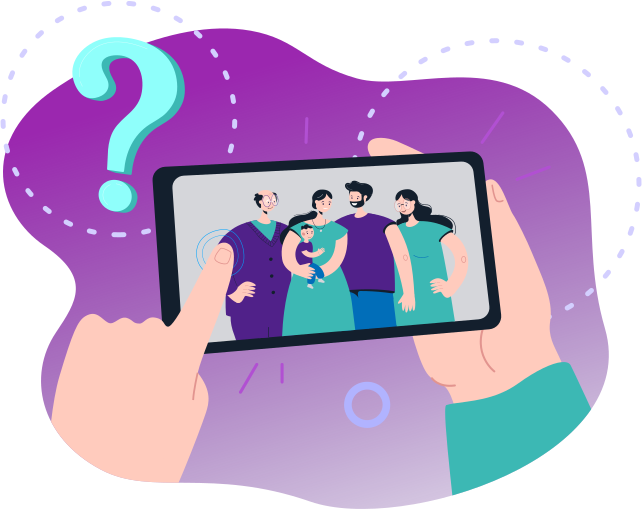
لماذا تُفيد رموز الاستجابة السريعة كبار السن؟
عند التفكير في استخدام رموز الاستجابة السريعة (QR) لكبار السن، يتبادر إلى الذهن سؤال: لماذا لا نستخدم الهاتف أو جهاز تتبع GPS؟ تكمن الإجابة في فهم كيفية تأثير الخرف على السلوك. ينسى المرضى شحن أجهزتهم، ويخلعون ساعاتهم وأساورهم، ويتركون حقائبهم في المنزل. في برامج رموز الاستجابة السريعة لمرضى الخرف حول العالم، تظل الميزة الأساسية واحدة: لا تتطلب هذه التقنية أي جهد من الشخص الذي يرتديها. جهاز تتبع GPS في سلسلة المفاتيح يصبح عديم الفائدة إذا خرج المريض دون مفاتيحه.
تُحلّ رموز الاستجابة السريعة هذه المشكلة بفضل كونها غير فعّالة، وصغيرة الحجم، ويستحيل إيقاف تشغيلها عن طريق الخطأ. ملصق مقاوم للماء على ظفر الإصبع، أو شارة مخيطة في سترة، أو سوار يشبه المجوهرات - يمكن أن تبقى هذه الأشياء مع الشخص في أي ظرف. تكمن سهولة استخدام رموز الاستجابة السريعة لكبار السن في أنها لا تتطلب أي إجراء من الشخص الذي يتلقاها.
وبعيداً عن الاستخدام الفردي، تتميز رموز الاستجابة السريعة (QR) بقدرة فائقة على التوسع. فقد اعتمدت الحكومات والمنظمات غير الربحية ومقدمو الرعاية الصحية في ست دول برامج قائمة على رموز الاستجابة السريعة لكبار السن، حيث قام كل منهم بتكييف هذا الشكل مع الاحتياجات المحلية.
رموز الاستجابة السريعة مقابل حلول السلامة الأخرى
ليست جميع حلول السلامة متساوية. إليك مقارنة بين رموز الاستجابة السريعة (QR) والبدائل الأكثر شيوعًا:
يُظهر الجدول أن رموز الاستجابة السريعة (QR) تتفوق على البدائل في معظم الفئات. أما قيدها الوحيد - وهو اشتراط وجود هاتف ذكي لدى الشخص الذي يعثر على المريض - فقد أصبح غير ذي أهمية بشكل متزايد مع وصول نسبة استخدام الهواتف الذكية إلى أكثر من 90% في معظم المناطق الحضرية حول العالم.
ما هي الفئة العمرية التي تستخدم رموز الاستجابة السريعة (QR) أكثر من غيرها في برامج السلامة؟ على عكس الافتراضات، ليس كبار السن أنفسهم - بل هم المارة في سن العمل، ومقدمو الرعاية، وأفراد الأسرة الذين يقومون بمسح الرموز نيابة عنهم.
برامج رمز الاستجابة السريعة الواقعية لكبار السن
من جنوب شرق آسيا إلى أمريكا الشمالية، طورت الحكومات المحلية والمنظمات والمنظمات غير الربحية برامج تعتمد على رمز الاستجابة السريعة (QR) مصممة خصيصًا لمجتمعاتها. إليكم ست حالات واقعية توضح الإمكانيات المتاحة.
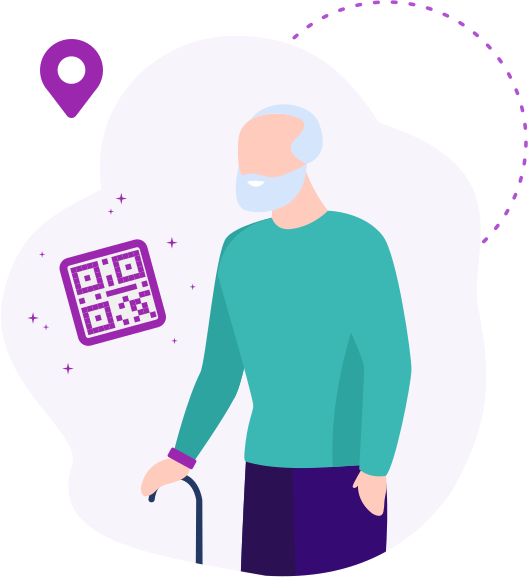
تايلاند – سوار رمز الاستجابة السريعة (مؤسسة ميرور، 2018)
تتلقى مؤسسة "ميرور" التايلاندية حوالي 30 مكالمة شهرياً من عائلات تبحث بيأس عن أقاربها المسنين المصابين بمرض الزهايمر والذين تاهوا عن منازلهم. وفي عام 2018، أطلقت المؤسسة برنامجاً لأساور مزودة برمز الاستجابة السريعة (QR) مصمم خصيصاً لهذه المشكلة.
ما يُميّز هذا السوار عن الأساور الطبية التقليدية هو نظامه الخلفي. فعندما يقوم أحد المارة بمسح السوار، تتلقى قاعدة بيانات مؤسسة "ميرور" فورًا معلومات موقع على الخريطة ، وتُرسل المساعدة الطبية اللازمة. يُمكن للعائلات تسجيل أي مريض يُقدّم تقريرًا طبيًا يُؤكّد تشخيص إصابته بمرض الزهايمر. البرنامج مُتاح للجميع ومجاني.
الصين – شارة رمز الاستجابة السريعة على الملابس (2014)
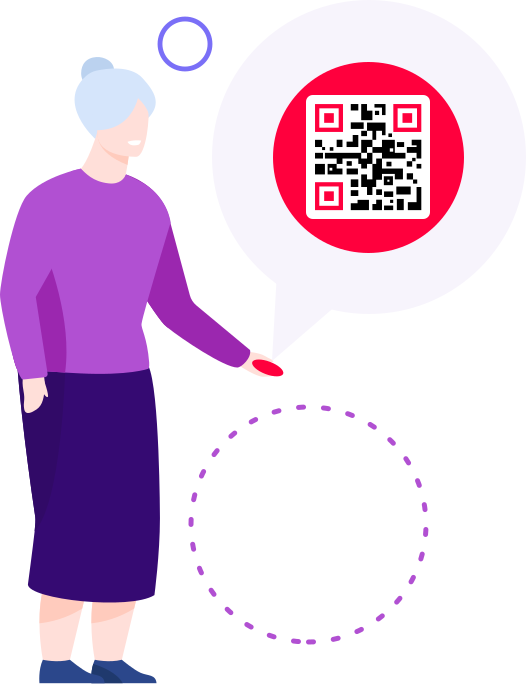
في عام 2014، واجه متخصصو الرعاية الصحية الصينيون سيناريو شائعًا: مريض يغادر منزله بكامل وعيه، ويتوجه إلى متجر قريب، ثم فجأة ينسى اسمه أو عنوانه. وكان الحل عبارة عن شارة رمز الاستجابة السريعة (QR) تُرتدى على الملابس - صغيرة الحجم، سهلة التركيب، ومرئية دائمًا.
تحتوي كل شارة على اسم المريض، وعنوان منزله، وتشخيص حالته، ومعلومات الاتصال في حالات الطوارئ للأقارب. ويُطبع بجانب الرمز مباشرةً عبارة تحث على اتخاذ إجراء: "امسح الرمز ضوئيًا لمساعدتي في العودة إلى المنزل". يمكن لأي شخص عابر سبيل يرى شخصًا مسنًا مرتبكًا مسح الرمز ضوئيًا على الفور والاتصال بالعائلة. وقد انتشرت هذه الممارسة منذ ذلك الحين خارج الصين، حيث ظهرت رموز QR مماثلة على ملابس برامج دعم كبار السن في جميع أنحاء آسيا وأوروبا.
اليابان – ملصق NailQ (روابط برتقالية، 2015)
تضم اليابان أكبر نسبة من كبار السن في العالم، إذ من المتوقع أن يشكلوا ثلث سكان البلاد بحلول عام 2035. وواجهت مدينة إيروما القريبة من طوكيو مشكلة محددة: أجهزة تحديد المواقع (GPS) المخصصة لمرضى الخرف تُنسى باستمرار في المنزل أو تنفد بطاريتها. وكان الحل الأمثل هو جهاز لا يمكن للمريض تركه خلفه.
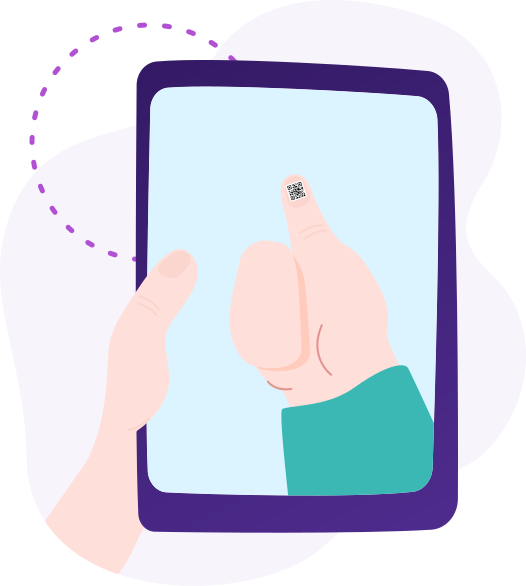
جاء الحل من شركة أورانج لينكس عام ٢٠١٥: ملصق هلامي برمز الاستجابة السريعة بحجم ظفر الإصبع. يُلصق على ظفر الإبهام أو القدم، وهو مقاوم للماء، ويدوم لمدة شهر تقريبًا، ويمكن قراءته حتى لو تضرر ١٥٪ من الرمز. يعرض الملصق رقم التسجيل ورقم هاتف البلدية - بيانات شخصية قليلة جدًا عمدًا.
لا تتجاوز تكلفة البرنامج دولارين أمريكيين لكل مريض، وتوزعه الحكومات المحلية مجانًا. في عام ٢٠١٩ وحده، ساهم ملصق NailQ في إعادة خمسة مسنين مفقودين إلى عائلاتهم في مدينة إيروما. أصبح ملصق رمز الاستجابة السريعة الياباني للكشف عن الخرف - الذي يُلصق مباشرةً على ظفر الإصبع - من أكثر الابتكارات انتشارًا على مستوى العالم. ومنذ ذلك الحين، أبدى كل من أستراليا وسنغافورة وهونغ كونغ وتايوان اهتمامًا بهذا النظام.
الهند – مشروع Chetna (QR Locket)
طوّر مشروع تشيتنا مفهوم رمز الاستجابة السريعة (QR) خطوةً أخرى. فبدلاً من رمزٍ تقليدي، طوّر المشروع قلادةً ذكيةً تحمل رمز الاستجابة السريعة تُعلّق حول الرقبة. وعندما يقوم شخصٌ ما بمسحها ضوئيًا، يرسل النظام تلقائيًا إشعارًا إلى أفراد العائلة المسجلين، بالإضافة إلى عنوان IP الخاص بالماسح الضوئي.
يُضيف هذا النهج ذو الطبقتين مستوىً إضافيًا من المساءلة: إذ لا تقتصر معرفة العائلات على العثور على قريبهم فحسب، بل تشمل أيضًا إمكانية تتبع هوية من قام بمسح الرمز. وتُعدّ هذه ميزة بالغة الأهمية، لا سيما في الحالات التي تُعدّ فيها هوية فاعل الخير أساسيةً للمتابعة. وقد طُوّر المشروع كمبادرة من منظمة غير حكومية، ولا يتطلب بنية تحتية حكومية للتشغيل.
إسبانيا – برنامج QR "No me olvides si me olvido"
يتمتع برنامج رموز الاستجابة السريعة (QR) في إسبانيا بجذور راسخة: فقد أطلقت حكومة مدينة مدريد مبادرة تجريبية في وقت مبكر من عام 2014، حيث وضعت رموز الاستجابة السريعة على قلادات وملصقات وأساور لمرضى الزهايمر في مراكز الرعاية النهارية التابعة لها. وتم إضفاء الطابع الرسمي على هذه المبادرة في عام 2017 عندما دخلت حكومة مدريد في شراكة مع مؤسسة غوزالبو ماركيز لإطلاق برنامج "لا تنساني إن نسيت".
وزّعت المبادرة 5000 سوار مزود برمز الاستجابة السريعة (QR) مجانًا على السكان الذين تزيد أعمارهم عن 65 عامًا والمصابين بمراحل مبكرة من الخرف. يحتوي كل سوار على اسم المريض وعنوانه وفصيلة دمه وحساسياته وأدويته ومعلومات الاتصال في حالات الطوارئ. للحصول على السوار، تُقدّم العائلات تشخيصًا طبيًا وتقييمًا للخدمات الاجتماعية في مكتب البلدية المحلي. يُعدّ هذا مثالًا قويًا على كيفية توظيف الهيئات الحكومية للتكنولوجيا البسيطة على نطاق واسع ضمن نظام الرعاية الصحية والاجتماعية الأوروبي.
الولايات المتحدة الأمريكية – خدمة التنبيه الطبي + خدمة العثور على الأشياء الآمنة
في الولايات المتحدة، تعاونت مؤسسة MedicAlert، التي تأسست عام 1956، مع جمعية الزهايمر لإنشاء برنامج Safe & Found. يحصل الأعضاء على سوار أو قلادة تعريف طبي مزودة برمز الاستجابة السريعة (QR) مرتبطة بمركز استجابة للطوارئ يعمل على مدار الساعة.
عند الإبلاغ عن فقدان أحد أعضاء خدمة MedicAlert، يقوم المركز فورًا بتوزيع نشرات على المستشفيات المحلية وجهات إنفاذ القانون. وفي حال عثور أحد المارة على الشخص المفقود ومسح سواره، يتم ربطه مباشرةً بمركز الطوارئ. يجمع أحدث منتج من منتجات Smart ID بين رمز الاستجابة السريعة (QR) وجهاز Apple AirTag لتتبع الموقع في الوقت الفعلي، وهي حالة نادرة يعمل فيها رمز الاستجابة السريعة ونظام تحديد المواقع العالمي (GPS) معًا بدلًا من أن يكونا بديلين. تُعد رموز الاستجابة السريعة على ملابس كبار السن في أمريكا خيارًا شائعًا آخر، حيث تختاره العائلات التي يميل أقاربها إلى خلع الأساور أو المجوهرات.
ومن الأمثلة البارزة على المبادرات الشعبية: قام طلاب الصف السابع من مدينة بوتسفيل بولاية أركنساس بتصميم سلاسل مفاتيح وعلامات تحمل رموز الاستجابة السريعة (QR) لبرنامج محلي للصحة النفسية لكبار السن، وذلك استلهاماً من تزايد أعداد كبار السن المفقودين على وسائل التواصل الاجتماعي . وقدّموا 30 علامة مصنوعة يدوياً تحمل رموز الاستجابة السريعة (QR) إلى موظفي البرنامج في يناير 2025.
ما المعلومات التي يجب وضعها في رمز الاستجابة السريعة (QR) لكبار السن؟
إنشاء رمز الاستجابة السريعة (QR) لكبار السن أمرٌ سهل باستخدام أي مولد رموز QR حديث. لكن السؤال الأصعب هو ما يجب تضمينه. إليك قائمة مرجعية مُقترحة: يمكنك استخدام تنسيق vCard ، أو رابط URL مخصص يؤدي إلى صفحة ملف تعريف خاصة، أو كتلة نصية بسيطة، وذلك حسب الأداة التي تستخدمها.
- الاسم الكامل وصورة حديثة (في حالة استخدام ملف تعريف قائم على عنوان URL)؛
- عنوان المنزل ؛
- التشخيص بشكل عام (على سبيل المثال، "ضعف الذاكرة")؛
- 2-3 جهات اتصال للطوارئ – أفراد الأسرة أو مقدمو الرعاية مع أرقام هواتفهم؛
- فصيلة الدم ؛
- الحساسية المعروفة ؛
- الأدوية والجرعات الحالية ؛
- التواصل مع طبيب الرعاية الأولية ؛
- دعوة لمن يعثر على الشيء: "أرجوكم ساعدوني في العودة إلى المنزل" أو "امسح ضوئياً للاتصال بعائلتي"؛
- رقم التأمين (اختياري، حسب تفضيلات الخصوصية).
إذا كنت ترغب في تجاوز استخدام رمز ثابت، فإن المنصات التي توفر رموز QR ديناميكية تتيح لك تحديث المعلومات دون الحاجة إلى إعادة طباعة الرمز، وهو أمر مثالي مع تغير الحالات الطبية. يمكنك أيضًا الربط بصفحة نماذج Google حيث يمكن للشخص الذي عثر على المعلومات ترك بيانات الاتصال الخاصة به، أو استخدام رموز QR للاتصال الهاتفي والبريد رموز QR البريد الإلكتروني للتواصل المباشر بنقرة واحدة.
لإنشاء رمز الاستجابة السريعة (QR code) لرابط أو فيديو أو صورة - انقر على الزر أدناه.
كيفية مسح رمز الاستجابة السريعة: دليل سريع لكل من يعثر على شخص مسنّ تائه
لكي يعمل نظام رمز الاستجابة السريعة (QR) الخاص بكبار السن، يجب أن يتمكن أي شخص عابر من مسحه بثقة. والخبر السار: لا حاجة لتطبيق خاص على الهواتف الذكية الحديثة. إليك الطريقة:
- افتح تطبيق الكاميرا الافتراضي على هاتفك الآيفون أو الأندرويد.
- وجّه الكاميرا الخلفية نحو رمز الاستجابة السريعة (QR code) - حافظ على ثباتها لمدة ثانية أو ثانيتين.
- سيظهر إشعار أو رابط في أعلى الشاشة.
- انقر على الرابط. ستفتح صفحة تحتوي على معلومات الشخص وتفاصيل الاتصال به.
- اتصل برقم الطوارئ المذكور أو اتبع التعليمات الموجودة على الصفحة.
في أجهزة آيفون القديمة (قبل نظام iOS 11)، قد تحتاج إلى تنزيل تطبيق قارئ QR مجاني من متاجر التطبيقات . ابحث عن "ماسح رمز QR" في متجر التطبيقات أو جوجل بلاي. وللحصول على تعليمات مفصلة خطوة بخطوة لاستخدام قارئ رموز QR على أجهزة آيفون لكبار السن، توفر بعض منصات إنشاء رموز QR، مثل Me-QR، أدلة قابلة للطباعة بخط كبير.
مخاوف تتعلق بالخصوصية: ما مقدار المعلومات التي يجب أن يعرضها رمز الاستجابة السريعة (QR Code)؟
لا يتقبل الجميع فكرة قيام شخص غريب بمسح رمز والاطلاع على التاريخ الطبي الكامل للمريض. وقد وصف النقاد بعض هذه التطبيقات بأنها تجريد من الإنسانية، إذ تُشبه المرضى بالأشياء التي تحمل رموزًا شريطية. وهذا قلق مشروع، وتختلف البرامج في كيفية التعامل معه.
تعتمد ملصقات NailQ اليابانية على نهج بسيط للغاية: إذ لا يكشف الرمز إلا عن رقم التسجيل ورقم هاتف البلدية. لا اسم، لا عنوان، ولا تشخيص. تُحفظ المعلومات الشخصية في قاعدة بيانات آمنة، ولا يُسمح بالوصول إليها إلا للموظفين المُصرّح لهم بعد مكالمة هاتفية. وتتبع البرامج الإسبانية والتايلاندية مبادئ مماثلة.
يُضيف مشروع تشيتنا الهندي طبقة أخرى: حيث يتم إخطار العائلة عند مسح الرمز، بالإضافة إلى عنوان IP الخاص بالماسح الضوئي. وهذا يخلق المساءلة دون الكشف عن البيانات للعامة.
يعتمد التوازن الأمثل على أولويات الأسرة. فإذا كانت السرعة هي الأهم - أي أن الشخص الغريب يحتاج إلى التصرف فورًا دون الحاجة إلى الاتصال - فإن إضافة المزيد من البيانات إلى الرمز يُعدّ خيارًا مناسبًا. أما إذا كانت الخصوصية هي الأولوية، فإن رقم تسجيل مزود بخط ساخن يُعدّ خيارًا جيدًا. وتوفر العديد من المنصات رموزًا ديناميكية يمكن تعديل إعدادات الخصوصية فيها دون الحاجة إلى إعادة طباعة الرمز المادي.
كود صغير ذو تأثير كبير
لن تعالج رموز الاستجابة السريعة الخرف. ولكن في ست دول - تايلاند والصين واليابان والهند وإسبانيا والولايات المتحدة - أثبتت هذه الرموز أن قطعة تكنولوجية بسيطة وبأسعار معقولة يمكن أن تُحدث فرقًا ملموسًا في سلامة كبار السن الذين يعانون من اضطرابات الذاكرة.
يكمن جمال هذا الحل في بساطته. لا حاجة لاشتراك، ولا جهاز للشحن، ولا تطبيق يحتاج المريض لتعلمه. ملصق، أو شارة، أو سوار - اختر الشكل الذي يناسب نمط حياة قريبك. املأه بالمعلومات المناسبة. واعلم أنه في حال ضياعه، يمكن لأي شخص يملك هاتفًا ذكيًا مساعدته في العودة إلى المنزل.
يمكنك اليوم إنشاء رمز QR لكبار السن باستخدام أي من منصات رموز QR الرئيسية. سواء اخترت URL رابط يؤدي إلى ملف تعريف خاص، أو بطاقة vCard تحتوي على بيانات الاتصال، أو رمز QR مع كتلة نصية كتلة نصية، فإن أهم خطوة هي الأولى: البدء.