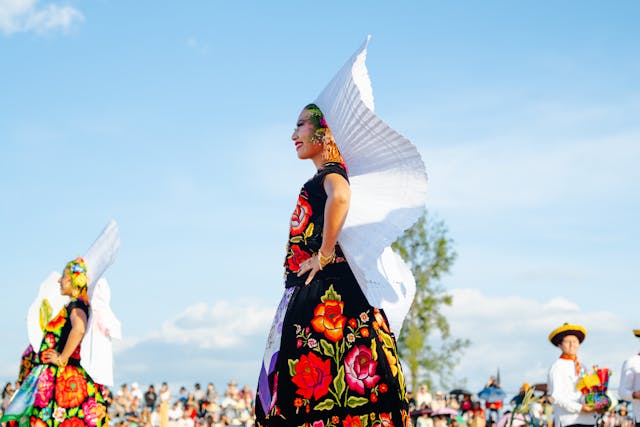
What Are Cultural Events?
Cultural events include festivals, fairs, performances, exhibitions, and workshops that highlight the traditions, art, music, food, and history of various communities. They can be local, national, or international and often celebrate specific cultures, holidays, or causes.
Bringing People Together
Cultural events create spaces where people from different backgrounds meet and interact. This face-to-face connection helps break down stereotypes and misconceptions by showing the richness and variety of human experiences.
Educating and Raising Awareness
Events often include storytelling, art, and performances that teach attendees about other cultures’ values, struggles, and achievements. This education fosters empathy and encourages people to appreciate diversity beyond surface-level differences.
Encouraging Participation and Representation
By inviting diverse groups to take part as organizers, performers, or participants, cultural events ensure that many voices are heard and celebrated. This representation strengthens community pride and helps people feel valued and included.
Supporting Social Integration
For newcomers or minority groups, cultural events can provide a sense of belonging and connection. They help people maintain their cultural identity while also integrating into wider society, promoting harmony and mutual respect.
Economic and Creative Benefits
Diverse cultural events can boost local economies through tourism and business. They also inspire creativity by blending different traditions, leading to new art forms and ideas.
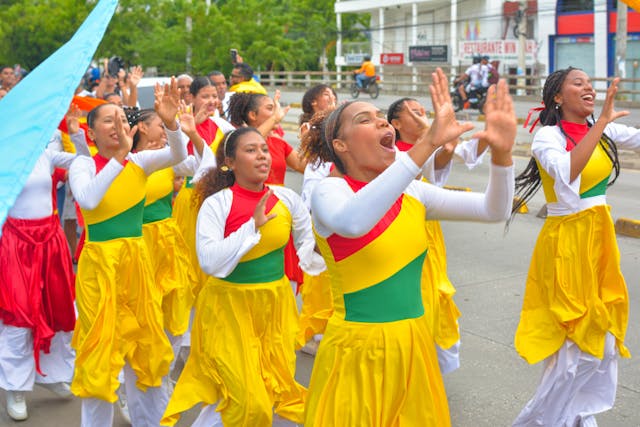
Final Thoughts
Cultural events are vital tools for promoting diversity and inclusion. They build bridges between communities, foster understanding, and celebrate the beauty of human variety. Supporting and participating in these events helps create a more welcoming and connected world.