Building Trust and Communication
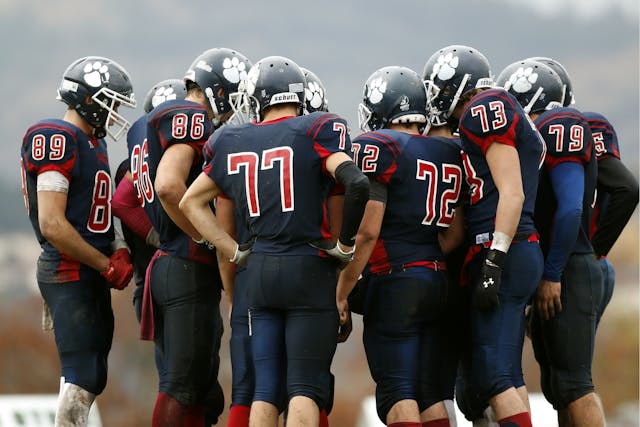
Team sports require players to rely on one another. Trust is earned through consistent effort, clear communication, and shared goals. Learning to work with teammates, especially those from different backgrounds or skill levels, strengthens interpersonal skills.
-
Players learn active listening and nonverbal communication
-
Coaches teach constructive feedback and conflict resolution
-
Trust builds through shared practice, wins, and losses
Encouraging Accountability and Responsibility
In team settings, each player has a role. Understanding and owning that role instills a sense of personal accountability. When one player falters, the entire team feels the impact—making it clear that everyone’s contribution matters.
-
Teammates motivate each other to show up and perform
-
Players learn to own mistakes and celebrate successes together
-
Shared responsibility promotes leadership at every level
Promoting Inclusion and Diversity
Sports often bring together people of all races, genders, cultures, and socioeconomic backgrounds. Through teamwork, players learn to appreciate differences and find common ground.
-
Encourages empathy and cultural awareness
-
Fosters respect for others' experiences and viewpoints
-
Builds unity through shared purpose
Creating a Sense of Belonging
For many, joining a team is more than playing a sport—it’s becoming part of a community. Team environments offer support systems, friendships, and a sense of identity.
-
Boosts mental health through social connection
-
Helps youth and adults develop self-confidence
-
Provides a safe space to grow emotionally and physically
Developing Collaborative Problem-Solving Skills
Team sports are full of fast-paced decisions. Players must adapt, strategize, and solve problems together in real time.
-
Encourages creative thinking under pressure
-
Builds resilience through shared challenges
-
Teaches the value of shared success over individual glory
Extending Lessons Beyond the Field
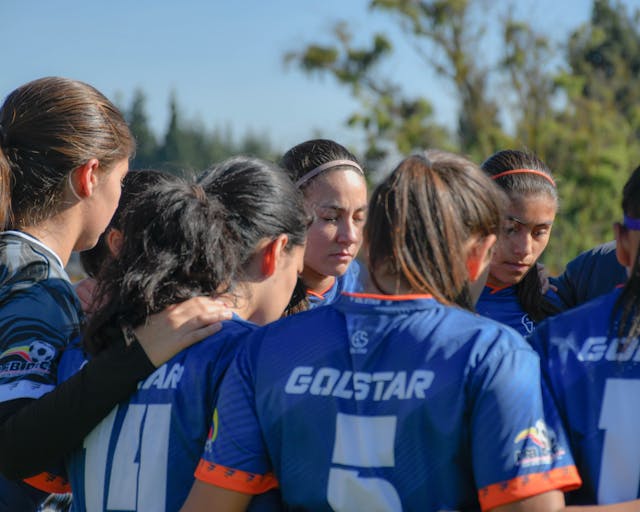
The teamwork learned in sports extends into everyday life—school, work, family, and civic engagement. Former athletes often excel in group settings and leadership roles.
-
Enhances career-readiness and adaptability
-
Promotes volunteerism and community involvement
-
Creates lifelong bonds and networks
Final Thoughts
Sports are a microcosm of society. They show us how powerful collaboration can be when we focus on unity, respect, and shared goals. Whether you're a player, coach, fan, or parent, remember that the true victory lies in what we build together—on and off the field.