The Science of Self-Care: Why It’s More Than Just Pampering
Self-care is often misunderstood as indulgence—bubble baths, spa days, and treating yourself to luxury. However, true self-care is rooted in science and psychology, encompassing mental, physical, and emotional well-being. It plays a critical role in reducing stress, preventing burnout, and improving overall health.
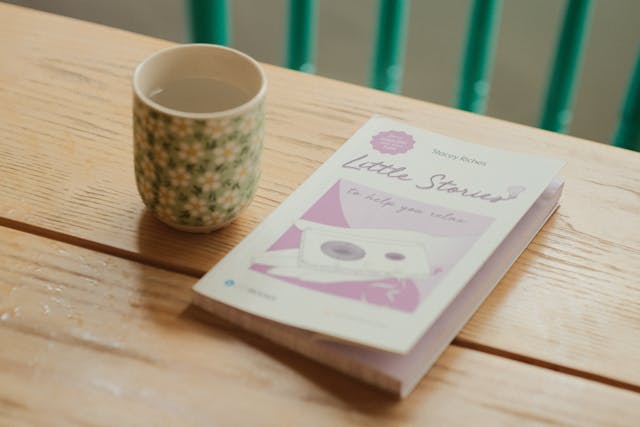
The Psychology Behind Self-Care
Self-care isn't selfish; it's essential. Research shows that practicing self-care can:
-
Lower cortisol levels, reducing stress and anxiety
-
Improve mental clarity and productivity
-
Enhance emotional resilience and prevent burnout
-
Strengthen the immune system
When we neglect self-care, we become more susceptible to stress-related illnesses, fatigue, and emotional exhaustion.
The Four Pillars of Science-Backed Self-Care
Physical Self-Care: Caring for Your Body
-
Exercise: Boosts endorphins (natural mood elevators) and improves heart health.
-
Nutrition: Eating whole foods supports brain function and emotional stability.
-
Sleep Hygiene: Quality sleep enhances memory, cognitive function, and mood.
Science Says: Studies show that just 30 minutes of daily exercise can reduce symptoms of depression and anxiety.
Emotional Self-Care: Managing Feelings Effectively
-
Journaling: Helps process emotions and gain perspective.
-
Therapy or Counseling: Provides coping strategies for stress and trauma.
-
Mindfulness & Meditation: Lowers stress hormones and increases emotional awareness.
Science Says: Meditation can shrink the amygdala, the brain’s fear center, reducing anxiety and emotional reactivity.
Mental Self-Care: Stimulating Your Brain
-
Reading and Learning: Keeps the brain engaged and prevents cognitive decline.
-
Limiting Screen Time: Reduces digital fatigue and improves focus.
-
Setting Boundaries: Protects mental energy and prevents burnout.
Science Says: Chronic screen exposure can overstimulate the brain, leading to higher stress levels and sleep disturbances.
Social Self-Care: Nurturing Relationships
-
Connecting with Loved Ones: Strengthens emotional support systems.
-
Saying No When Necessary: Protects from toxic relationships and overcommitment.
-
Community Engagement: Volunteering boosts happiness and purpose.
Science Says: Strong social ties increase life expectancy and lower the risk of depression.
Self-Care vs. Self-Soothing: Knowing the Difference
Self-care and self-soothing are often confused. Self-soothing (e.g., comfort food, Netflix binges) offers temporary relief, while self-care (e.g., therapy, exercise, sleep) promotes long-term well-being.
Ask yourself: "Is this helping me in the long run, or just numbing stress?"
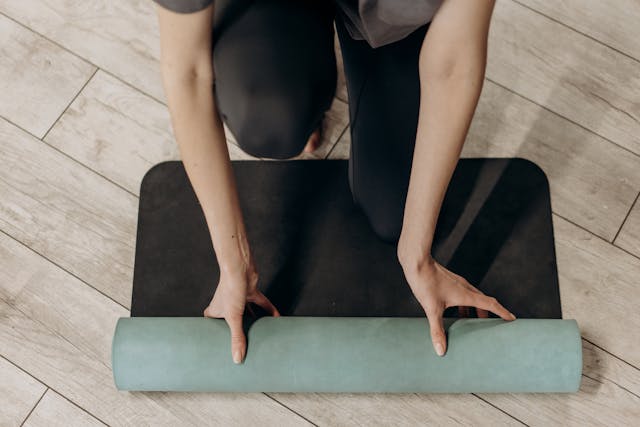
How to Create a Sustainable Self-Care Routine
-
Identify Your Needs: Are you emotionally drained? Physically exhausted? Socially disconnected?
-
Start Small: Implement one self-care habit at a time to avoid overwhelm.
-
Make It Non-Negotiable: Prioritize self-care as you would a work meeting.
-
Track Your Progress: Use a journal or app to measure the impact.
Final Thoughts: Self-Care is an Investment, Not a Luxury
True self-care isn’t about occasional indulgence—it’s about daily habits that sustain your physical, mental, and emotional well-being. By prioritizing self-care, you’re not only improving your own life but also your ability to show up for others.
What self-care habit will you focus on first?