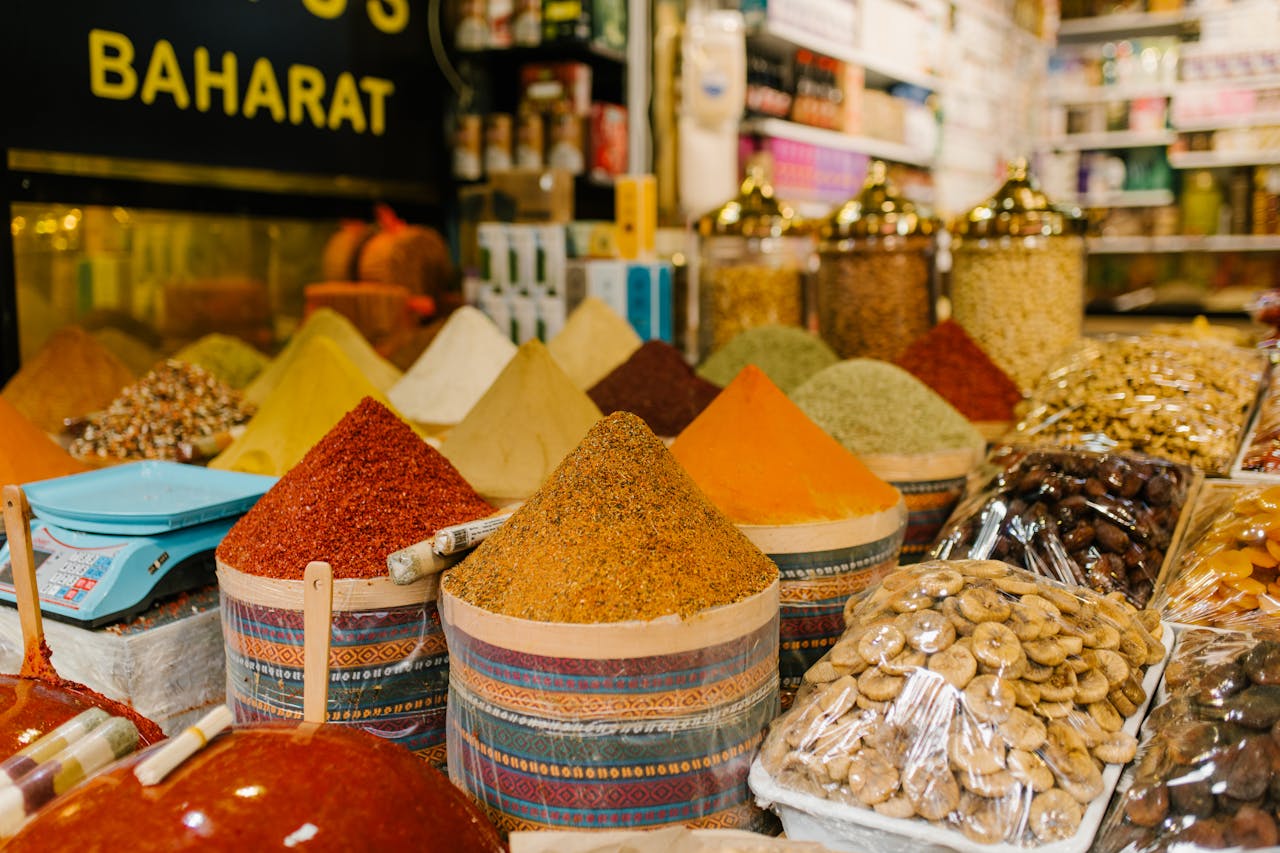
Why Culinary Travel Matters
Food is an essential part of culture, reflecting history, geography, and tradition. Culinary travel allows travelers to:
- Experience local culture authentically through ingredients, cooking methods, and dining rituals.
- Support local economies by eating at family-owned restaurants, markets, and food producers.
- Learn new skills by participating in cooking classes or farm-to-table experiences.
- Create lasting memories — tasting a unique dish often evokes stronger emotional connections than sightseeing alone.
By focusing on food, travelers gain a deeper understanding of the places they visit.
Popular Culinary Travel Experiences
Culinary travel can take many forms:
- Food tours and tastings: Guided trips through markets, street food vendors, and local eateries.
- Cooking classes and workshops: Hands-on experiences where travelers learn to prepare traditional dishes.
- Wine, coffee, or tea tours: Exploring vineyards, plantations, and specialty farms.
- Food festivals: Seasonal events celebrating regional dishes, ingredients, and culinary traditions.
These experiences allow travelers to engage all their senses, making each journey memorable and enriching.
Benefits Beyond Taste
Culinary travel is more than indulgence — it has cultural, educational, and even health benefits:
- Cultural connection: Sharing meals fosters understanding and appreciation of local customs.
- Skill development: Cooking techniques learned abroad can be applied at home.
- Mindful eating: Tasting fresh, locally sourced ingredients encourages healthier and more conscious food choices.
Food becomes a lens for exploring a destination’s history, geography, and lifestyle.
Planning a Culinary Journey
To make the most of a culinary trip:
- Research destinations known for their food culture, like Italy, Thailand, or Mexico.
- Seek local recommendations for authentic eateries and markets.
- Balance activities with leisure, allowing time to savor meals rather than rush through tours.
- Try new things — adventurous eating often leads to the most memorable experiences.
Flexibility and curiosity are key to fully immersing yourself in culinary adventures.
The Future of Culinary Travel
In 2025, culinary tourism is being shaped by trends like sustainable and ethical eating, farm-to-table experiences, and immersive cooking workshops. Travelers increasingly value experiences that respect the environment, support local communities, and celebrate cultural heritage.
Technology also enhances culinary travel through apps, online guides, and virtual experiences, allowing travelers to plan and explore with ease.

Final Thoughts
Culinary travel transforms ordinary trips into sensory journeys. By exploring food, travelers can connect with cultures, support local economies, and create lasting memories through taste and tradition.
In a world rich with flavors, every meal tells a story — and culinary travel lets you experience those stories firsthand.