Music Festivals in 2025: Trends, Safety, and Sustainability
Music festivals have long been a celebration of art, community, and culture. As we move into 2025, these events are evolving to meet changing audience expectations, technological innovations, and environmental concerns. From immersive experiences to sustainable practices, festival organizers are redefining what it means to gather and enjoy music.
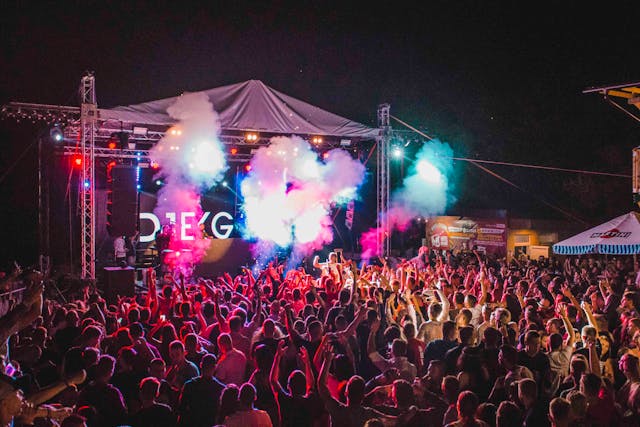
Emerging Trends in Festival Experiences
Music festivals in 2025 are embracing technology and creativity to deliver unforgettable experiences:
- Immersive technology: Augmented reality (AR) and virtual reality (VR) are enhancing live performances, allowing attendees to interact with visuals and music in real-time.
- Hybrid events: Festivals increasingly offer both in-person and virtual attendance, expanding access to global audiences.
- Curated wellness zones: Meditation, yoga, and quiet areas are becoming staples, responding to attendee interest in mental and physical well-being.
- Genre fusion and global lineups: Festivals are featuring a broader mix of artists and cultures, creating diverse and inclusive experiences.
These trends highlight how festivals are evolving beyond just live music into multisensory cultural experiences.
Prioritizing Safety
Safety remains a central concern for organizers and attendees alike:
- Advanced crowd management: AI-powered monitoring systems help predict crowd movements and prevent bottlenecks or accidents.
- Health protocols: Post-pandemic awareness has led to continued emphasis on sanitation, on-site medical support, and easy access to emergency services.
- Digital ticketing and tracking: Contactless entry reduces congestion and helps organizers maintain accurate attendance data for emergencies.
By combining technology and planning, festivals can ensure safer and more enjoyable experiences for everyone.
Sustainability on the Rise
Environmental responsibility is becoming a core value for festival organizers:
- Eco-friendly infrastructure: Solar-powered stages, biodegradable cups, and energy-efficient lighting reduce environmental impact.
- Waste reduction programs: Recycling, composting, and reusable merchandise help minimize festival waste.
- Transportation initiatives: Encouraging public transit, biking, and shuttle services lowers carbon footprints.
- Community engagement: Local sourcing of food, art, and services supports sustainable practices and benefits host communities.
Attendees are increasingly considering environmental impact when choosing festivals, making sustainability a key factor in success.
Challenges Ahead
Despite progress, challenges remain:
- Balancing technological enhancements with authentic live experiences.
- Managing costs associated with safety and sustainability measures.
- Ensuring accessibility and inclusivity for all attendees, including those with disabilities or limited resources.
Overcoming these challenges will require innovation, collaboration, and ongoing dialogue between organizers, artists, and audiences.
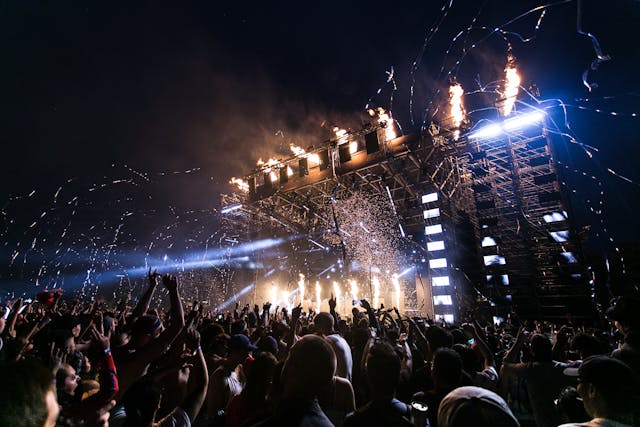
Looking Forward
Music festivals in 2025 are more than concerts — they are immersive, safe, and sustainable experiences. By embracing technology, prioritizing attendee safety, and committing to environmental responsibility, festivals are setting new standards for the future of live events.
Whether you’re a music lover, a festival organizer, or a performer, 2025 promises an era of festivals that are vibrant, responsible, and unforgettable.